Shockwave Therapy for Overuse Injuries: Recovery Without Downtime
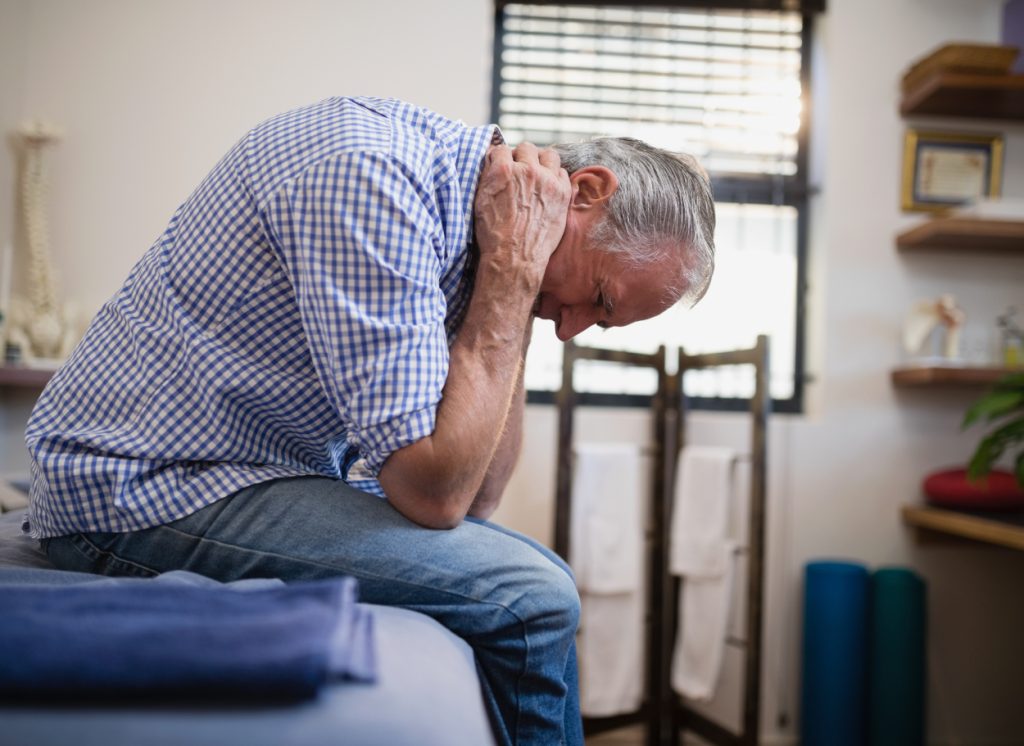

Overuse injuries have a way of sneaking into a routine that once felt reliable. A runner notices the first sharp pull in the heel during morning steps. A tennis player starts dreading backhand practice because the elbow never quite settles. A warehouse worker feels the shoulder every time a box comes off the shelf, not enough to stop working, but enough to change how the day feels.
These problems often start small because they are not usually dramatic injuries. There is no obvious twist, fall, or pop. Instead, tissue is irritated by repetition, load, poor recovery, or a training jump that seemed manageable at the time. By the time most people seek help, they have already tried some version of rest, stretching, massage, ice, heat, anti-inflammatories, new shoes, straps, braces, or internet advice from people whose situations are not really the same.
That is where Shockwave Therapy has earned attention. Not because it is magic, and not because it replaces sound rehab, but because it can be a useful tool for stubborn tendon and fascia pain when progress has stalled. One of the biggest questions patients ask is straightforward: can it help me recover without forcing me to completely shut life down? In many cases, the answer is yes, with an important qualifier. Recovery without downtime does not mean recovery without adjustment. It means treatment can often be integrated into normal life and training more easily than surgery, immobilization, or prolonged inactivity.
Why overuse injuries become so persistent
Overuse injuries are rarely just about inflammation. That word gets used loosely, but many long-standing tendon problems are more complicated than a simple irritated tissue that needs a few days of rest. Tendons and connective tissues can become disorganized, painful under load, and less tolerant of repeated stress. Plantar fascia pain, patellar tendon pain, Achilles tendinopathy, lateral elbow pain, and calcific shoulder tendinopathy all sit in this broad category, though each has its own personality.
A common pattern looks like this: pain appears after activity, then starts showing up during activity, then eventually creeps into ordinary tasks. The runner who once hurt only after six miles now feels it on the first mile. The carpenter whose elbow used to ache at night now winces while gripping a drill. Rest helps temporarily, but symptoms flare when normal activity resumes. That cycle is frustrating because it makes people feel they are always one step behind their own body.
Part of the challenge is that tissue adaptation takes time. Muscles can change relatively quickly. Tendons generally do not. When treatment focuses only on calming symptoms and never improves load tolerance, the relief is often brief. This is why the best clinicians do not frame chronic overuse pain as something to be “fixed” in one visit. They treat it as a process of reducing pain while gradually improving the tissue’s ability to handle real-world demand.
What Shockwave Therapy actually is
Shockwave Therapy uses acoustic waves delivered through the skin to a targeted area of painful tissue. The treatment is not electrical stimulation, and it is not ultrasound, though patients sometimes mix those terms together. The device delivers pulses that create a mechanical effect within the tissue. Depending on the system, those waves may be radial or focused. In practice, both forms are used in musculoskeletal care, and the right choice depends on the condition, depth, and treatment goals.
The language around Shockwave Therapy can sound more dramatic than the experience itself. People hear “shockwave” and imagine something violent. The actual treatment feels more like a series of rapid taps or pulses over a tender area, with intensity adjusted to a level that is tolerable and clinically useful. Some spots can be quite sensitive, especially where the tissue is already irritable. Most sessions are brief, often somewhere around five to fifteen minutes of active treatment time, depending on the area and protocol.
The exact mechanism is still described with some caution because biology is rarely reduced to one neat explanation. What matters clinically is that shockwave appears to stimulate a healing response in chronically irritated tissue, influence pain signaling, and improve circulation and local tissue activity in a way that can support recovery. In the right patient, that can create a window where movement becomes easier, rehab is better tolerated, and pain begins to settle after being stuck for months.
Where it tends to help most
Shockwave Therapy is usually discussed in connection with chronic, load-related soft tissue problems rather than fresh acute injuries. In day-to-day practice, the most common successes tend to show up in cases that have dragged on, not the person whose pain started three days ago after an unusually hard workout.
Conditions often considered good candidates include:
- plantar fasciitis or plantar heel pain that has lasted for months
- Achilles tendinopathy, especially mid-portion pain
- patellar tendinopathy, common in jumping sports
- tennis elbow and other persistent tendon irritations around the elbow
- calcific tendinopathy of the shoulder
Even in these categories, diagnosis matters. Heel pain is not always plantar fascia related. Achilles pain near the insertion behaves differently from pain in the mid-portion. Elbow pain can come from the neck, the joint, or nerve irritation rather than the tendon itself. A good result depends on treating the right thing, not just treating where it hurts.
Recovery without downtime, what that phrase really means
The appeal of Shockwave Therapy is obvious. Most people do not want a treatment plan that requires them to vanish from work, stop moving, or spend weeks waiting for permission to return to normal life. Compared with surgery or prolonged immobilization, shockwave is far less disruptive. Patients usually walk out of the clinic and continue with the day.
That said, the “without downtime” promise needs adult interpretation. If someone has been repeatedly provoking an injury, the answer is not to keep hammering it at the same level simply because a machine is involved. I often explain it this way: the treatment may not remove you from activity, but it does ask you to respect the biology of the tissue. There is a difference between staying active and staying reckless.
Most treatment plans involve modifying load rather than eliminating it. A runner with Achilles pain might keep running, but reduce hill work, speed sessions, and total mileage for a few weeks. A recreational tennis player with elbow pain might keep playing doubles but hold off on heavy serving practice. A tradesperson with plantar heel pain may still work full shifts, yet change footwear, add calf loading, and manage step volume where possible.
The practical advantage is that people can https://hectortwmn344.capitaljays.com/posts/how-shockwave-therapy-may-improve-mobility-and-function-3 remain engaged in life while healing. That matters psychologically as much as physically. Long layoffs often create deconditioning, stiffness, fear of movement, and the nagging sense that normal life is on hold. For many overuse injuries, careful continuation of activity is better than complete shutdown.
What a realistic treatment course looks like
Most clinics do not promise instant relief, and they should not. A typical course often involves three to six sessions spaced about a week apart, though protocols vary. Some people feel improvement after the first or second session. Others notice nothing early on and then realize in week three or four that the morning pain is easing or post-exercise soreness is no longer lingering.
Temporary soreness after treatment is common. That does not necessarily mean the area has been aggravated in a harmful way. It is more like the tissue has been challenged. Patients usually describe it as a bruised, worked-on feeling rather than a sharp new injury. The first 24 to 48 hours can be the awkward period where people wonder if it is helping. That is why managing expectations matters. Chronic tissue problems rarely turn around in one dramatic leap.
One detail that surprises patients is that shockwave often works best when paired with the right rehab, not when used as a standalone fix. If the tendon has poor load tolerance, it still needs progressive loading. If ankle stiffness is feeding plantar heel pain, that mechanical issue still matters. If a shoulder is overloaded because of poor scapular control and an abrupt return to overhead lifting, the treatment will not erase those habits by itself.
The strongest outcomes tend to come from a combination of precise diagnosis, smart load management, progressive strengthening, and shockwave applied at the right stage of the problem.
Who tends to do well, and who may not
Good candidates are usually people with persistent symptoms, often lasting at least several weeks and more commonly several months, who have not fully responded to basic conservative care. They are active enough to notice the injury, motivated enough to follow through, and open to the idea that treatment is part of a broader plan rather than a one-off rescue.
The less ideal candidates are those with pain caused by a completely different problem, such as a fracture, significant nerve irritation, active inflammatory disease, or certain acute tears. There are also standard cautions and contraindications, including some pregnancy-related considerations depending on the treatment site, local tumors, certain clotting issues, and treatment over areas where major nerves or lungs could be placed at unnecessary risk. Any reputable provider should screen for these before treatment starts.
Calcific shoulder pain is a good example of where nuance matters. Some patients with calcific tendinopathy respond very well and are delighted to avoid more invasive procedures. Others have shoulder pain driven mostly by stiffness, joint irritability, or cervical referral, and those patients may not improve much if the wrong tissue is targeted. This is why a rushed “one machine fits all” approach tends to disappoint.
What the session feels like in real life
People want specifics. They ask whether it hurts, whether they can drive afterward, whether they can go back to the gym that night. The honest answer is that it is tolerable for most, intense for some, and rarely the sort of thing that stops daily activity afterward. The tenderness depends on the area, chronicity, and energy level used. An already angry Achilles insertion can be quite spicy during treatment. A chronic elbow tendon may be uncomfortable but manageable. A good clinician adjusts the intensity based on the tissue response and the patient’s tolerance, rather than trying to prove something by making it miserable.
Most patients can drive home, return to the office, and walk around normally. Heavy impact activity on the same day is often reduced, especially early in the course, but ordinary life usually continues. That distinction is important. Recovery without downtime does not mean “train through everything at full volume.” It means the treatment itself is unlikely to sideline you.
I remember one distance runner who came in after four months of stubborn plantar heel pain. Morning steps were miserable, but she could still run through the discomfort. She feared being told to stop entirely because she had a race on the calendar. Instead, we cut speed work, limited long-run progression, improved calf loading, adjusted recovery days, and added shockwave over several sessions. She did not improve overnight. By the third week, she reported that the first ten minutes of the day were noticeably easier. By six weeks, she was running with less symptom escalation and more confidence. The key point was not that the machine “fixed” her heel. It was that treatment gave enough pain relief and tissue response to let the rest of the plan work.
Why some cases fail despite treatment
When Shockwave Therapy does not help, the reason is often traceable. Sometimes the diagnosis was off. Sometimes the condition is too acute, too irritated, or simply not the kind of tissue problem that responds well. Sometimes the person keeps loading the tissue far beyond what it can currently handle and expects the treatment to compensate for that mismatch.
There is also a timing issue. Chronic overuse injuries are layered. A tendon may be painful, deconditioned, and surrounded by stiff or weak neighboring structures. If the pain drops but the mechanics do not change, relapse is easy. The office worker with elbow pain who returns straight to long keyboard days and weekend racquet sports without any grip or forearm loading plan may land right back where they started. The basketball player with patellar tendon pain who wants shockwave but refuses to modify jump volume is asking one tool to solve a coaching problem, a programming problem, and a tissue problem at once.
Another reason for mixed results is simple impatience. Patients who have had symptoms for eight months sometimes expect normal tissue behavior in eight days. A more useful timeline is often measured in weeks, sometimes longer, especially if the load demands are high.
The role of exercise alongside shockwave
This is the part that separates good care from gadget-based care. Tendons and fascia generally need graded loading to recover well. That loading may involve heavy slow resistance, calf raises, isometrics, eccentric work in selected cases, or a progressive return-to-impact plan. The exact program depends on the diagnosis and irritability level.
A painful Achilles tendon often benefits from calf strengthening that starts within a tolerable range and builds gradually. Plantar heel pain may need calf work, foot intrinsic exercises, footwear changes, and a close look at training errors. Patellar tendon pain usually improves when jumping load is better managed and quadriceps strength is rebuilt with intent. Shockwave can reduce pain and support the process, but it does not replace the adaptation that comes from the right loading plan.
That is also why athletes and active adults often like it. They do not just want pain reduction. They want a path back to performance. The treatment is most valuable when it helps bridge the gap between where the tissue is now and what the person needs it to do.
Cost, convenience, and the trade-offs people should know
Shockwave Therapy is attractive partly because it is convenient. Sessions are short. There is no incision. There is usually no sedation, no formal recovery room, no time away from work. For the right case, that convenience matters.
The trade-off is that convenience does not guarantee certainty. Results vary. Insurance coverage varies even more, depending on region, provider type, and diagnosis. Some patients pay out of pocket and want assurance before starting. No ethical clinician should give absolute guarantees. A better conversation sounds like this: based on the diagnosis, duration, and what you have already tried, there is a reasonable chance it will help, especially if we combine it with the right rehab plan.
Compared with injections, shockwave has a different risk profile. Compared with surgery, it is far less invasive but may be less definitive for certain structural problems. Compared with doing nothing, it offers a chance to stimulate progress in tissue that has stalled. Those are the real trade-offs, and they are worth discussing plainly.
Questions worth asking before you book
If you are considering Shockwave Therapy, ask a few practical questions before starting:
- what diagnosis are you treating, and how certain are you that it is the pain source
- what type of shockwave device do you use, and why is it appropriate for this condition
- how many sessions are usually recommended for a case like mine
- what activity changes should I make during treatment
- what rehab exercises or loading plan should accompany the sessions
A provider who answers clearly, examines the area properly, and gives you a plan beyond the machine is usually a better bet than one who sells treatment in bulk before establishing the diagnosis.
Where Shockwave Therapy fits in a sensible recovery plan
The most useful way to think about Shockwave Therapy is not as a miracle and not as hype. It is a tool with a solid role in selected chronic overuse injuries, especially when symptoms have lingered and basic measures have not been enough. Its biggest strength is that it can often be used without pulling people out of work, sport, or ordinary life. For active adults, that alone can make the difference between following through and giving up.
Still, “without downtime” should never be confused with “without responsibility.” The tissue still needs a reason to improve. That reason comes from better load management, better exercise, better progression, and a diagnosis precise enough to guide treatment. When those pieces are in place, Shockwave Therapy can be the nudge that finally moves a stubborn problem forward.
For the runner trying to get through a training block, the nurse working long shifts, the parent chasing kids while managing heel pain, or the recreational athlete who wants a practical option before considering something more invasive, that combination of effectiveness and continuity is exactly why the treatment keeps showing up in modern sports medicine clinics. It does not ask life to stop. It asks recovery to become smarter.
Injury Recovery Center
Address: 730 W Hampden Ave Ste. 250, Englewood, CO 80110
Phone number: +17203289033
FAQ About Shockwave Therapy
What does shockwave therapy actually do?
Shockwave therapy delivers high-energy acoustic sound waves through the skin to an injured area. This process "wakes up" stubborn, chronic soft-tissue injuries by increasing local blood flow, breaking down calcifications, and triggering the body's natural cellular repair and tissue regeneration mechanisms.
What are the drawbacks of shockwave therapy?
Shockwave therapy can cause temporary pain, skin redness, bruising, swelling, or numbness at the treatment site. It may require multiple sessions, can be costly out-of-pocket because insurance often does not cover it, and is unsafe for pregnant individuals or those with blood-clotting disorders.
Does shock wave therapy really work?
Yes, shock wave therapy (extracorporeal shockwave therapy, or ESWT) works well for specific chronic soft-tissue and bone conditions, showing success rates around 60% to 80% for stubborn issues like plantar fasciitis and tennis elbow when other conservative treatments fail.