Shockwave Therapy for Active Aging: Relief and Mobility Support

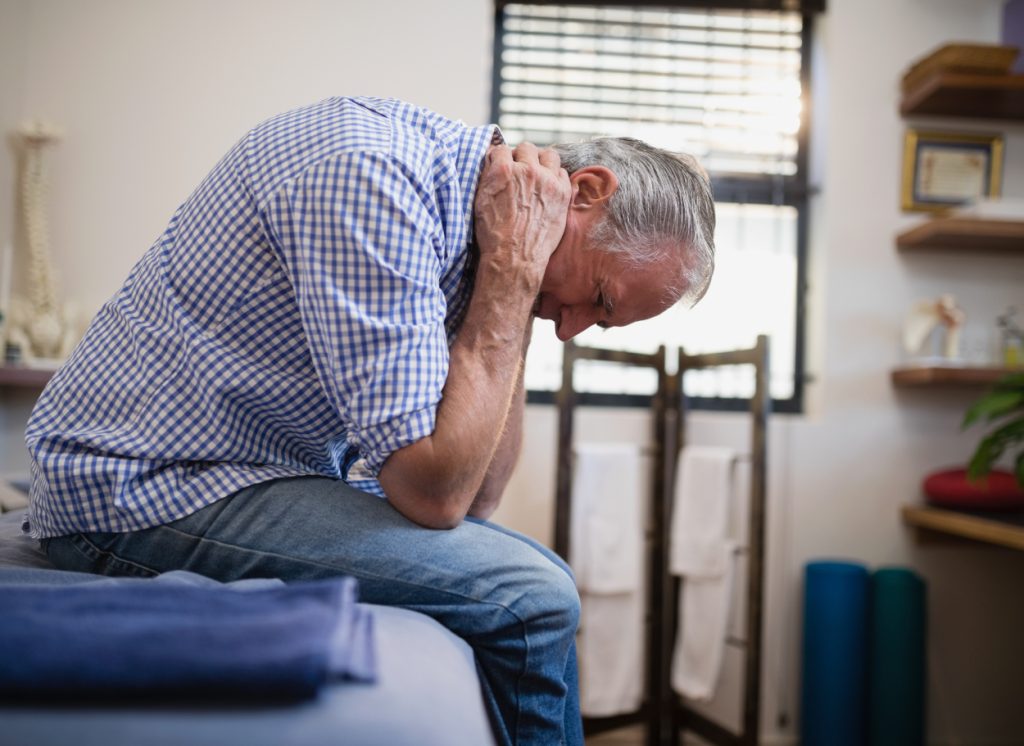
Aging well has very little to do with pretending the body feels twenty-five forever. It has more to do with staying engaged in the things that matter, walking without dread, gardening without paying for it the next morning, playing doubles tennis, lifting grandchildren, traveling, climbing stairs, getting up from the floor, and feeling steady enough to trust your body again. For many adults in their fifties, sixties, seventies, and beyond, pain becomes the factor that quietly shrinks life. Not always dramatic pain, either. Often it is the stubborn heel that hurts every morning, the shoulder that catches when reaching overhead, or the knee tendon that seems irritated every time activity picks up.
This is where Shockwave Therapy enters the conversation. It is not a miracle cure, and it is not appropriate for every ache. Still, in the right patient and for the right condition, it can be a useful, evidence-informed tool for reducing pain and supporting movement without surgery, prolonged medication use, or a long recovery period. For active aging, that matters. People do not just want less pain. They want enough function to keep living on their own terms.
Why active adults start looking beyond rest and pain pills
A pattern shows up often in clinical practice. Someone stays active for decades, then starts to notice that recovery is slower. A morning walk causes heel pain. Pickleball aggravates the elbow. Strength training brings out pain at the front of the shoulder. They do what sensible people usually do first, they rest, stretch a little, maybe take over-the-counter anti-inflammatories, perhaps buy better shoes. Sometimes that is enough. Sometimes it is not.
The challenge with tendon and soft tissue pain is that it can become persistent even when the original trigger seems minor. Tissue that has been overloaded or irritated does not always respond to generic rest. In fact, complete rest can backfire. Muscle deconditions. Confidence drops. People move less, and their world gets smaller. That spiral is one of the biggest threats to healthy aging.
The goal is rarely to erase every sensation. The real aim is to improve load tolerance, restore function, and make movement more reliable. Adults who value an active life usually respond well when treatment is framed that way. They want honest expectations and practical progress, not hype.
What Shockwave Therapy actually is
Shockwave Therapy uses acoustic waves delivered through the skin to target painful or dysfunctional soft tissue. The name sounds aggressive, which can be misleading. In most outpatient settings, treatment involves a handheld device applied to an area such as the heel, shoulder, Achilles tendon, elbow, or patellar tendon. Gel is used to help transmit the waves, and the clinician adjusts settings based on the condition, tissue depth, irritability, and the person’s tolerance.
There are two broad forms commonly discussed, focused shockwave and radial pressure wave therapy. In everyday conversation, clinics often refer to both under the umbrella of Shockwave Therapy, even though the physics differ. That distinction matters more to the clinician than to most patients. What matters to the patient is whether the treatment is suited to the diagnosis, whether the dosage is appropriate, and whether it is part of a sensible plan rather than a standalone gimmick.
Researchers have proposed several mechanisms behind why shockwave can help. It may stimulate local biological responses, influence pain signaling, and promote changes in tissue metabolism and healing behavior. The exact pathway is still an area of ongoing study, and it is better to be precise than dramatic here. Shockwave is not “regenerating” the body in a magical way. It is creating a controlled mechanical stimulus that can support recovery in certain chronic musculoskeletal conditions.
Why it fits the active aging conversation
Older adults are often balancing several priorities at once. They want relief, but they also want to avoid anything that will knock them out of routine for weeks. They may be trying to limit medications because of blood pressure issues, stomach sensitivity, kidney concerns, or simple fatigue with pill-based solutions. Some are not ideal surgical candidates. Others just are not ready to go down that road for a condition that is painful but not dangerous.
Shockwave Therapy appeals to this group for practical reasons. Treatments are usually brief. There is no incision. Most people walk out under their own power and return to normal daily activity the same day, with some modifications depending on the body part treated. That lower barrier matters for adults who are caregiving, working part-time, traveling, or otherwise living full lives.
There is another reason it resonates with healthy aging. Many of the conditions that respond best to shockwave are not random injuries. They are load-management problems, often layered onto normal age-related tissue changes. Tendons become less forgiving. Recovery capacity can drop. Strength deficits and gait changes build gradually. Shockwave can help calm a stubborn pain process, but it also creates an opening. Once pain decreases, people can move better, strengthen better, and get back to the habits that keep them independent.
Conditions where it is often considered
Shockwave Therapy is most commonly discussed for chronic tendon and soft tissue problems rather than acute traumatic injuries. The classic examples are plantar fasciitis, Achilles tendinopathy, tennis elbow, and some calcific shoulder conditions. It is also used in some settings for patellar tendinopathy, greater trochanteric pain around the hip, and certain chronic myofascial pain patterns.
Plantar heel pain is one of the clearest examples. Many active adults try supportive shoes, orthotics, stretching, and activity modification before pursuing shockwave. When heel pain has lingered for months and interferes with walking, the treatment can be a reasonable next step. The same logic often applies to Achilles tendon pain in people who enjoy hiking or brisk walking. These are problems that do not just hurt during exercise. They alter the way a person moves all day.
Tennis elbow is another frequent complaint in active aging, and not only in tennis players. It shows up in gardeners, golfers, people doing home projects, and anyone who repeats gripping or lifting tasks. Once it becomes chronic, it can make simple daily tasks feel surprisingly difficult. A coffee mug, a https://www.google.com/maps?cid=14596157951575764794 grocery bag, even shaking hands can become annoying reminders that the tissue is not happy.
For calcific tendinopathy of the shoulder, shockwave is sometimes considered when pain has persisted and imaging shows calcific deposits. This is one area where clinical judgment matters a great deal. Shoulder pain is a broad category, and not every painful shoulder is a shockwave shoulder. Good diagnosis matters more than enthusiasm for any device.
What treatment feels like
Patients usually ask this before anything else, and fairly so. Shockwave is not typically described as relaxing. It can be uncomfortable, especially over irritated tendon insertion points or more sensitive areas like the heel. The sensation is often described as a rapid tapping or pulsing, sometimes with deeper ache as the intensity rises. Most providers adjust the dose so it is tolerable, productive, and not excessive.
A session may last roughly five to fifteen minutes of actual treatment time, depending on the protocol and body area. Many clinics schedule a series of visits rather than a one-time session, often spaced about a week apart. The exact number varies, but a common range is three to six treatments. Some people feel better quickly. Others notice improvement building more gradually over several weeks after the final session.
That delayed response can be frustrating if expectations are not set clearly. Shockwave is not like a numbing injection where change is immediate. It is more like nudging a stubborn system in a better direction. If someone expects to leap off the table pain-free after one visit, disappointment is almost guaranteed.
The cases that tend to do best
Outcomes are usually better when the problem is clearly defined, chronic but not end-stage, and tied to tissues known to respond to mechanical loading strategies. It also helps when the person is ready to participate in the rest of the plan. Shockwave often works best when paired with exercise, activity adjustment, and attention to footwear, strength, or training errors.
There is a practical difference between someone with six months of plantar heel pain who still walks daily and someone with years of widespread pain, poor sleep, several uncontrolled health conditions, and severe deconditioning. Both deserve care, but they are not the same clinical picture. The first is often a stronger candidate for local treatment. The second may need a broader rehabilitation plan before local intervention has much impact.
Motivation matters too, though not in the simplistic way people sometimes suggest. It is not about being upbeat. It is about being willing to make useful changes while the treatment does its job. If someone receives shockwave for Achilles pain and then continues the exact same overload pattern without any strength progression or training adjustment, the odds are not as favorable.
Where the limits are
Shockwave Therapy has become popular enough that it is sometimes sold too broadly. That does patients a disservice. It is not the answer for every painful joint, and it is not a substitute for a good evaluation. If pain is coming from advanced arthritis inside a joint, significant nerve irritation, a fracture, severe lumbar referral, or a systemic inflammatory condition, shockwave aimed at the sore spot may not help much at all.
There are also scenarios where caution or avoidance is appropriate. Providers typically screen for issues such as clotting disorders, anticoagulant use, certain local infections, malignancy in the treatment area, or pregnancy, depending on the region being treated and the type of device used. The details vary, which is why this is not a do-it-yourself modality.
A useful clinician should be able to say, plainly, “This may help,” “This probably will not help,” or “We need a clearer diagnosis first.” That honesty is part of good care, especially for older adults who have already tried enough things that overpromised.
What a good treatment plan looks like in real life
Shockwave works best when it sits inside a larger strategy. The session itself is only one piece. The rest is often what determines whether relief actually turns into durable mobility.
A sensible plan often includes the following:
- A clear diagnosis based on history, examination, and when needed, imaging.
- Shockwave sessions dosed for the tissue and adjusted to tolerance.
- A progressive exercise program to rebuild strength and load capacity.
- Activity modification that protects the area without complete shutdown.
- Follow-up that measures function, not just pain scores.
That third point is where older adults often make the biggest gains. When pain settles enough to strengthen calves, glutes, rotator cuff, forearm extensors, or other relevant muscle groups, daily movement becomes easier and more resilient. The treatment creates an opportunity. Exercise helps lock in the benefit.
One retired patient comes to mind, an avid walker in her late sixties with months of plantar heel pain. She had already cycled through stretching videos, new shoes, and intermittent rest. Shockwave helped reduce the morning pain that made her limp to the bathroom. But what really changed her trajectory was the plan that followed, calf strengthening, walking volume adjustments, and a smarter return to hills. Six weeks later she was not just less painful, she was moving with confidence again. That distinction matters.
How mobility support shows up after pain starts to ease
Pain relief is the headline, but mobility support is the deeper value. Once a person no longer braces against every step or reach, movement quality starts to improve. They walk with a more natural stride. They can load a leg evenly. They use the arm without compensating through the neck. These small changes reduce the secondary issues that persistent pain often creates.
For active aging, that ripple effect is significant. One painful tendon can alter sleep, daily steps, balance, mood, and social participation. People stop going out as much if walking becomes miserable. They skip exercise classes if they are afraid of flaring symptoms. They decline travel that involves standing in airports or touring on foot. A modest improvement in tissue pain can restore much more than the single body part involved.
There is also a psychological shift when treatment starts to work. Adults who have been protecting a painful area often become tentative. They are not weak, they are guarding. When the body proves it can tolerate movement again, fear tends to soften. That opens the door to better strength work, better endurance, and more consistent activity. Those are the ingredients of long-term independence.
Questions worth asking before you agree to treatment
A brief conversation before starting can save time, money, and frustration. It is reasonable to ask what diagnosis is being treated, why shockwave is appropriate for that diagnosis, how many sessions are expected, what the treatment should feel like, what kind of aftercare is recommended, and what role exercise will play. If the answer to the exercise question is “none,” that is worth a pause.
It also helps to ask how success will be measured. Better sleep, improved walking distance, easier stair use, less morning pain, or the ability to return to golf are all more meaningful than a vague promise to “break up inflammation.” Clinicians who treat active adults well tend to think in those functional terms.
The most useful questions are often the simplest ones:
- What condition do you think is causing my pain?
- Why do you believe Shockwave Therapy is a good fit for it?
- What else should I be doing alongside treatment?
- When should I expect to notice change?
- What would make you decide this is not working?
Those questions do not challenge the provider. They clarify whether the provider is thinking carefully.
Recovery expectations and common mistakes
Most people can continue ordinary daily activities after treatment, though it is common to recommend avoiding unusually high-impact loading for a day or two, depending on the tissue treated. Some soreness afterward is normal. That should be explained ahead of time so it does not cause alarm. Ice or complete unloading is not always encouraged in the same way older injury models might suggest, because the treatment itself is intended to stimulate a response. Specific aftercare varies by protocol, so the treating clinician’s guidance should lead.
A common mistake is trying to “test” the body too aggressively after the first sign of improvement. This is especially common in motivated adults who have been sidelined and are eager to get back to full activity. Heel feels better, so they take a long hilly walk. Elbow calms down, so they spend the afternoon pruning shrubs. Shoulder improves, so they dive back into overhead exercise. Then symptoms spike, confidence drops, and the treatment gets blamed unfairly.
Another mistake is treating shockwave as a passive cure while keeping every aggravating variable the same. Footwear, walking volume, training intensity, technique, and strength deficits all matter. The body rarely responds well to a single intervention when the bigger picture stays unchanged.
How it compares with other common options
Compared with prolonged oral pain medication, Shockwave Therapy offers a local intervention without the systemic side effects that can concern many older adults. Compared with a corticosteroid injection, it may be less likely to provide dramatic immediate relief, but in some tendon conditions it is considered more aligned with longer-term tissue management. Compared with surgery, it is far less invasive, though also more modest in what it can accomplish. These are not direct one-to-one replacements, but practical comparisons patients often want.
Physical therapy remains central. In many cases, it should not be framed as shockwave versus exercise. The stronger frame is shockwave plus a good rehabilitation plan when the condition warrants it. Manual therapy, taping, orthotics, footwear changes, loading programs, and education all still have a place. The best care plans are rarely built around a single tool.
The bigger picture for healthy aging
There is a tendency to talk about aging as if function fades in one straight line. That is not how it looks in real life. Many adults remain highly capable for decades if they can keep pain under control and maintain strength, balance, and confidence. Small musculoskeletal problems can have outsized effects when they interfere with movement. That is why treatments that support continued activity deserve careful attention.
Shockwave Therapy is one of those tools. When used selectively, with a sound diagnosis and realistic expectations, it can help reduce stubborn tendon and soft tissue pain that keeps active adults from doing the things that sustain health. Its value is not only in making an area hurt less. Its value is in helping people keep walking, lifting, reaching, and participating in life.
That is the standard worth using for any treatment in active aging. Not whether it sounds advanced. Not whether it is trendy. Whether it helps preserve the ability to move through the day with less limitation, less fear, and more freedom. For the right person, Shockwave Therapy can contribute meaningfully to that goal.
Injury Recovery Center
Address: 730 W Hampden Ave Ste. 250, Englewood, CO 80110
Phone number: +17203289033
FAQ About Shockwave Therapy
What does shockwave therapy actually do?
Shockwave therapy delivers high-energy acoustic sound waves through the skin to an injured area. This process "wakes up" stubborn, chronic soft-tissue injuries by increasing local blood flow, breaking down calcifications, and triggering the body's natural cellular repair and tissue regeneration mechanisms.
What are the drawbacks of shockwave therapy?
Shockwave therapy can cause temporary pain, skin redness, bruising, swelling, or numbness at the treatment site. It may require multiple sessions, can be costly out-of-pocket because insurance often does not cover it, and is unsafe for pregnant individuals or those with blood-clotting disorders.
Does shock wave therapy really work?
Yes, shock wave therapy (extracorporeal shockwave therapy, or ESWT) works well for specific chronic soft-tissue and bone conditions, showing success rates around 60% to 80% for stubborn issues like plantar fasciitis and tennis elbow when other conservative treatments fail.