How Shockwave Therapy Supports Faster Injury Recovery
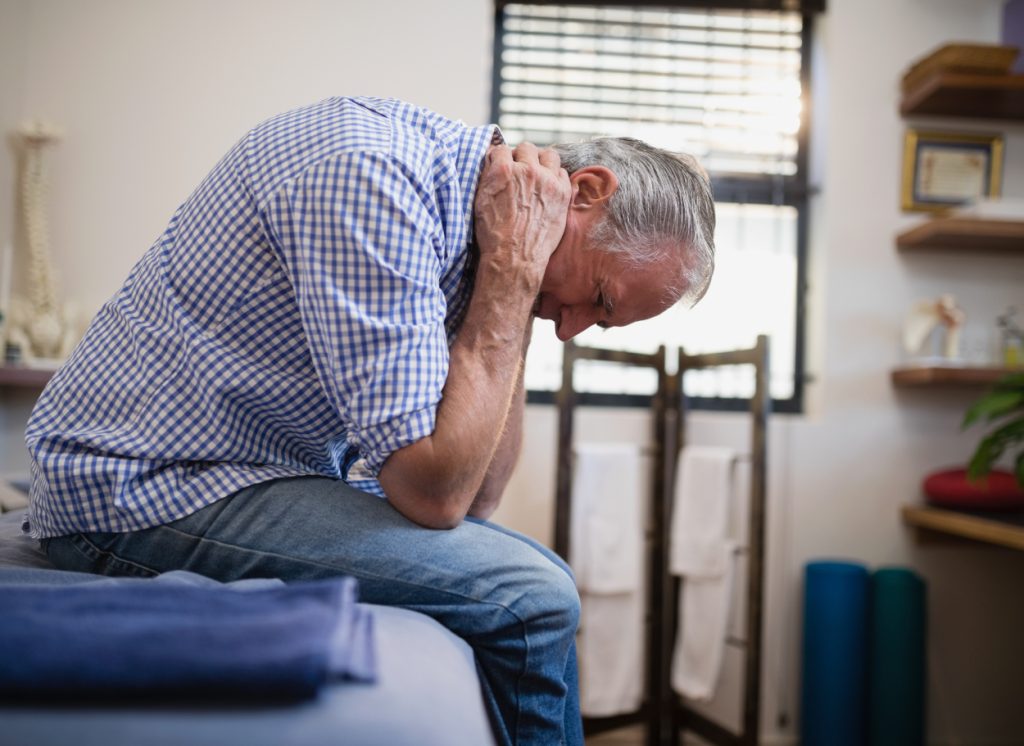

Anyone who has spent time around sports medicine, orthopedic rehab, or chronic pain care has seen the same frustrating pattern. A patient gets injured, rests, tries anti-inflammatory medication, goes to physical therapy for a few weeks, improves a little, then stalls. The pain is not severe enough for surgery, but it is stubborn enough to interfere with work, training, sleep, or daily movement. That is often the point where Shockwave Therapy enters the conversation.
Used well, it can be a valuable tool for speeding recovery in certain soft tissue and tendon injuries. Used poorly, it becomes another overpromised treatment attached to unrealistic expectations. The difference matters.
Shockwave Therapy is not magic, and it does not replace sound diagnosis, load management, or rehabilitation. What it can do is help restart healing in tissues that have become slow, disorganized, and resistant to conventional treatment. For the right patient, at the right time, that can shorten the road back to normal activity in a very practical way.
Why some injuries linger far longer than expected
Most people assume healing follows a simple timeline. Something hurts, tissue repairs itself, pain fades, function returns. In reality, recovery is rarely that neat, especially in tendons, fascia, and overloaded connective tissue.
A classic example is plantar fasciopathy. Someone notices heel pain with the first few steps in the morning. They stretch, buy supportive shoes, maybe ice it at night. A month later it still hurts. Then there is insertional Achilles pain, tennis elbow, or patellar tendon pain that hangs around through every attempt to exercise. These conditions often persist not because the body is incapable of healing, but https://trevorjpqm312.capitaljays.com/posts/how-shockwave-therapy-may-help-persistent-heel-spurs because the tissue environment has shifted into a low-grade, ineffective repair cycle.
Tendons are especially slow to recover because they do not have the rich blood supply that muscle has. Muscle injuries often change quickly over days or weeks. Tendon injuries can drag on for months. In long-standing cases, the tissue may show degeneration rather than acute inflammation. That distinction is important, because many people are still told they are dealing with “inflammation” long after the biology has moved on.
This is one reason standard rest does not always fix the issue. Rest may calm symptoms, but it may not stimulate the tissue to remodel properly. Once a tendon becomes deconditioned and disorganized, the goal is not just to reduce pain. The goal is to encourage healthier tissue behavior while progressively rebuilding load tolerance.
That is where Shockwave Therapy can fit.
What Shockwave Therapy actually is
Shockwave Therapy uses acoustic pressure waves delivered through the skin into injured tissue. Despite the name, it is not the same as electrical stimulation, ultrasound, or a heating treatment. The sensation is mechanical, not electrical. The device sends pulses into a target area, and those pulses create a biological response.
There are two common forms used in musculoskeletal care. Focused shockwave reaches deeper tissues with more concentrated energy. Radial shockwave spreads energy more broadly and is often used for more superficial structures. Both have legitimate uses, and the best choice depends on the body part, the diagnosis, the chronicity of symptoms, and the clinician’s training.
Patients usually notice that the treatment feels intense but brief. Sessions often last only a few minutes once the target area is identified. Depending on the condition, a course might involve three to six visits spaced about a week apart, though practice patterns vary.
One of the biggest misconceptions is that the treatment somehow “breaks up scar tissue” in a simplistic mechanical sense. That phrase is common in marketing and not very helpful clinically. A better way to explain it is that the pressure waves stimulate a healing response. They can influence local blood flow, cell signaling, pain sensitivity, and tissue remodeling. In calcific shoulder problems, shockwave may also help with resorption of calcific deposits, which is a more specific use case.
How it can help recovery happen faster
When patients say they want to heal faster, they usually mean one of three things. They want pain to settle sooner, they want to return to activity sooner, or they want to stop cycling through failed treatments. Shockwave Therapy can support all three, but not by doing all the work on its own.
Its main value is that it can help move a stalled tissue into a more active repair state. In chronic tendon problems, the issue is often not too much healing, but too little effective healing. The tissue becomes painful, thickened, and mechanically unreliable. Shockwave appears to promote biological processes that make remodeling more likely, especially when paired with a progressive exercise program.
In practice, that means a patient with a six-month history of Achilles tendinopathy may finally tolerate heel raises, walking, and later jogging with less flare-up after a course of treatment. A runner with plantar heel pain may find the first steps in the morning become less sharp after several sessions, making it easier to perform calf loading work consistently. A tennis player with lateral elbow pain may discover that gripping and backhand drills become manageable again once symptoms drop enough to rebuild strength.
That last point is easy to miss. Pain relief alone is helpful, but the bigger payoff is that pain reduction can create a window for proper rehabilitation. If someone can finally load the tissue without a major symptom spike, progress tends to accelerate.
The conditions where it tends to work best
Shockwave Therapy has its strongest reputation in chronic tendon and fascia conditions, particularly those that have not responded fully to rest, medication, activity modification, or basic therapy. It is often considered for plantar fasciopathy, Achilles tendinopathy, patellar tendinopathy, gluteal tendinopathy, calcific tendinopathy of the shoulder, and lateral epicondylalgia, which most people call tennis elbow.
The common thread is that these are often overuse problems with poor tissue quality and limited natural recovery once they become chronic. In that setting, treatments that simply numb pain are often less useful than treatments that help stimulate remodeling.
That said, not every painful tendon needs shockwave. A mild, recent injury may respond perfectly well to guided loading and time. Likewise, not every chronic pain problem is truly a tendon problem. Referred pain from the spine, nerve irritation, inflammatory arthritis, stress fracture, or partial tear can look similar at first glance. Good results start with an accurate diagnosis.
I have seen cases where patients arrived convinced they needed shockwave because a friend swore by it, only to discover their heel pain was actually coming from a lumbar issue, or their “tennis elbow” was more related to cervical referral and grip overload than local tendon degeneration. Technology cannot rescue a poor assessment.
What a real treatment course looks like
Patients are often surprised by how unglamorous the process is. There is no dramatic post-treatment moment where the body suddenly feels repaired. Most people feel some soreness during or after the session. Some notice improvement after the first visit, but many do not feel a meaningful change until the second or third treatment. Others improve more clearly several weeks after the final session, because tissue adaptation takes time.
A typical appointment begins with palpation and movement testing to identify the most symptomatic area. Gel is applied, the device is positioned, and a set number of pulses is delivered. Energy level matters, but higher is not automatically better. The right dose is enough to stimulate the tissue without creating excessive post-treatment irritation that disrupts function.
After treatment, patients are usually advised to avoid aggressive overload for a short period, but not to stop moving entirely. That distinction is crucial. Complete rest often works against recovery. Relative loading, with good timing and dosage, is what helps the tissue capitalize on the stimulus.
In most solid rehab settings, shockwave is one component of a wider plan. That plan often includes calf strengthening for Achilles and plantar conditions, quadriceps and hip work for patellar tendon pain, scapular and rotator cuff loading for shoulder issues, or forearm extensor strengthening for tennis elbow. When the treatment is isolated from exercise, the results are usually less impressive.
Why pairing it with rehab matters so much
The quickest way to waste a potentially useful intervention is to treat symptoms while ignoring mechanics and load capacity. Shockwave Therapy may reduce pain and improve tissue response, but it does not teach a tendon how to handle force.
Take patellar tendinopathy in a jumping athlete. If the player receives shockwave, feels better, and immediately resumes full-volume training without rebuilding eccentric and heavy slow resistance capacity, symptoms often return. The same applies to a recreational runner with Achilles pain who continues rapid mileage increases, poor recovery habits, and weak calf endurance. The treatment can help, but it cannot outwork repeated overload.
The strongest outcomes tend to occur when three things happen together. First, the tissue receives a stimulus that may support healing. Second, the patient gradually restores strength and tolerance. Third, the aggravating load is modified just enough to allow adaptation without complete deconditioning.
That combination is not as flashy as a single treatment promise, but it is far more reliable.
What patients usually notice, and when
The pace of change varies, and this is where honest communication matters. Acute pain can sometimes respond quickly, but the conditions most often treated with shockwave are chronic. Chronic injuries rarely follow a straight line.
A common pattern looks like this:
- Mild to moderate soreness during treatment and for a day or two afterward
- Little change after the first session, sometimes even a temporary flare
- Gradual reduction in baseline pain over several weeks
- Improved tolerance for rehab exercises and daily activity
- Better function before complete pain disappearance
That final point matters. Function often improves before pain fully resolves. Someone may still feel their heel or elbow, but they can walk farther, lift more confidently, or return to modified sport. In rehab, that is genuine progress.
Patients also need to know that no responsible clinician can promise a cure rate for an individual. Some respond very well. Some improve modestly. Some do not respond at all. The chronicity of the injury, tissue quality, loading history, biomechanics, sleep, general health, and even expectations can influence outcomes.
Where the treatment has limits
Shockwave Therapy has become popular enough that it is sometimes pitched as a catch-all solution for pain. That is not how experienced clinicians use it.
It is not ideal for every injury phase. In a fresh muscle strain, for example, other strategies usually take priority. In a complete tendon rupture, surgical or immobilization decisions are far more important. In pain driven largely by nerve irritation or central sensitization, shockwave may offer little benefit. And in highly irritable tissue, too much intensity too early can make symptoms worse.
There are also contraindications and caution areas. People with certain clotting issues, active infection in the treatment area, malignancy near the site, or pregnancy in relation to some treatment zones may need to avoid it or be assessed more carefully. Implanted devices and local anatomy matter too. This is not a casual mall-kiosk treatment. It should be delivered by someone who understands both the technology and the condition being treated.
Then there is the issue of expectation management. If a patient believes shockwave will fix years of overload while they keep training through severe pain, sleeping five hours a night, and skipping rehab exercises, disappointment is predictable. The treatment works best inside a disciplined recovery plan.
The trade-off between speed and irritation
Many patients ask whether a stronger setting means faster results. Sometimes a clinician can use a higher energy dose effectively, especially for certain chronic conditions, but there is a balance. Too little stimulus may not do much. Too much can create unnecessary soreness, guarding, or avoidance.
This is one of those situations where clinical judgment matters more than enthusiasm. A manual laborer with chronic plantar fasciopathy may tolerate a fairly robust session and continue functioning well. A high-level athlete in the middle of a competition block may need a more conservative approach to avoid disrupting training. A person with a very reactive Achilles tendon may need treatment parameters adjusted carefully to avoid a flare that lasts a week.
Good care lives in that middle ground, where the treatment is assertive enough to matter and measured enough to remain useful.
A few examples from common injury patterns
Consider the office worker who develops tennis elbow after months of poor workstation setup, weekend racquet sports, and inconsistent strength training. By the time they seek treatment, gripping a coffee mug hurts, carrying groceries hurts, and typing all day becomes tiring. If the problem has persisted for several months, shockwave may help reduce pain sensitivity and stimulate tendon remodeling. But real progress usually comes when it is paired with forearm loading, shoulder stability work, and practical changes to repetitive strain.
Or think about a runner with insertional Achilles pain who has already tried stretching aggressively because that is what internet advice suggested. In many of those cases, aggressive stretching can actually aggravate the condition. A better plan may include shockwave, activity modification, calf strengthening tailored to the insertional location, and temporary changes in hill work or speed sessions. The treatment may help, but the smarter loading strategy is often what preserves the gains.
Another good example is calcific tendinopathy of the shoulder. These patients can be miserable. Reaching overhead hurts, sleeping on that side hurts, and dressing can become awkward. Shockwave has a more specific role here because it may help with calcific deposits in addition to pain reduction. Even then, shoulder mechanics and gradual restoration of motion still matter.
How to know if you are a reasonable candidate
Not every patient needs this treatment, but several factors tend to make someone a better fit:
- The pain has persisted for weeks or months despite sensible first-line care
- The diagnosis points to a tendon, fascia, or calcific soft tissue problem
- The area is accessible and appropriate for this form of treatment
- The patient is willing to follow through with rehab and load management
- There are no major contraindications that make treatment unsafe
If several of those boxes are checked, shockwave becomes a reasonable option to discuss. If few are checked, another path may be better.
What to ask before starting
The quality of the provider matters as much as the machine. Patients should feel comfortable asking what diagnosis is being treated, why shockwave is appropriate, what kind of device is being used, how many sessions are typically recommended, what soreness to expect, and what exercise plan will support the treatment.
That last question is the one I would emphasize most. If a clinic proposes shockwave with no conversation about progressive loading, tissue capacity, or movement demands, I would be cautious. The treatment can be helpful, but it is rarely the whole answer.
It is also worth asking how success will be measured. A serious rehab plan looks at pain, yes, but also at walking tolerance, strength, stair function, grip capacity, jump ability, or return-to-run progression depending on the injury. Better function is the metric that matters most.
The bigger picture in injury recovery
One reason Shockwave Therapy has earned a place in modern musculoskeletal care is that it matches what many chronic injuries actually need. They do not just need quieting down. They need a nudge toward effective healing and a structure for regaining load tolerance.
That is why the treatment can feel deceptively simple while being clinically meaningful. A few minutes of acoustic energy does not look dramatic, but if it helps a painful tissue accept strengthening again, the downstream effect can be substantial. A person who has avoided stairs for months can begin loading their tendon. A runner can start rebuilding calf capacity. A carpenter can grip tools again without constant guarding. Those changes restore momentum, and momentum is often what stalled recoveries lack.
The best use of shockwave is not as a shortcut around rehab, but as a catalyst inside it. When that distinction is respected, recovery often does move faster, not because biology is being cheated, but because biology is finally being supported in the way the tissue needs.
For patients dealing with persistent tendon or fascia pain, that can make the difference between managing symptoms indefinitely and actually getting back to work, sport, and normal movement with confidence.
Injury Recovery Center
Address: 14241 E 4th Ave Building 5, Ste. 5-354, Aurora, CO 80011
Phone number: +17203289033
FAQ About Shockwave Therapy
What does shockwave therapy actually do?
Shockwave therapy delivers high-energy acoustic sound waves through the skin to an injured area. This process "wakes up" stubborn, chronic soft-tissue injuries by increasing local blood flow, breaking down calcifications, and triggering the body's natural cellular repair and tissue regeneration mechanisms.
What are the drawbacks of shockwave therapy?
Shockwave therapy can cause temporary pain, skin redness, bruising, swelling, or numbness at the treatment site. It may require multiple sessions, can be costly out-of-pocket because insurance often does not cover it, and is unsafe for pregnant individuals or those with blood-clotting disorders.
Does shock wave therapy really work?
Yes, shock wave therapy (extracorporeal shockwave therapy, or ESWT) works well for specific chronic soft-tissue and bone conditions, showing success rates around 60% to 80% for stubborn issues like plantar fasciitis and tennis elbow when other conservative treatments fail.